Abuja, Nigeria — Students have been encouraged to view education not merely as a pathway to personal success, but as a powerful tool for community transformation and global collaboration across the Commonwealth.
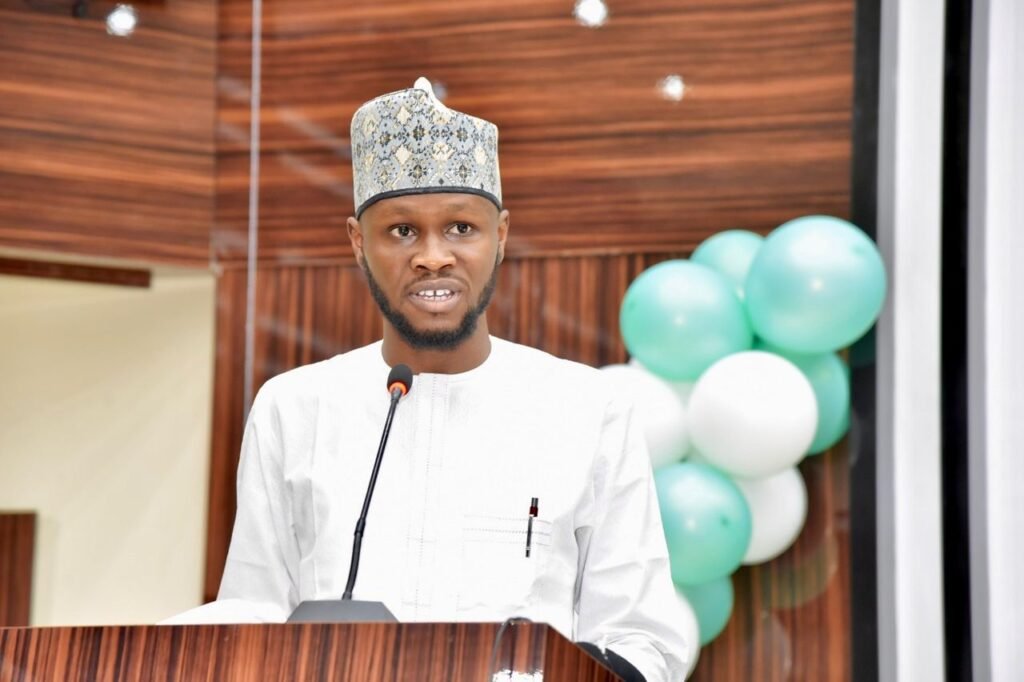
This message was delivered by Ibrahim Abdullahi, Africa Regional Representative of the Commonwealth Students’ Association, during a lecture delivered as part of activities marking Commonwealth Day 2026 in Abuja.
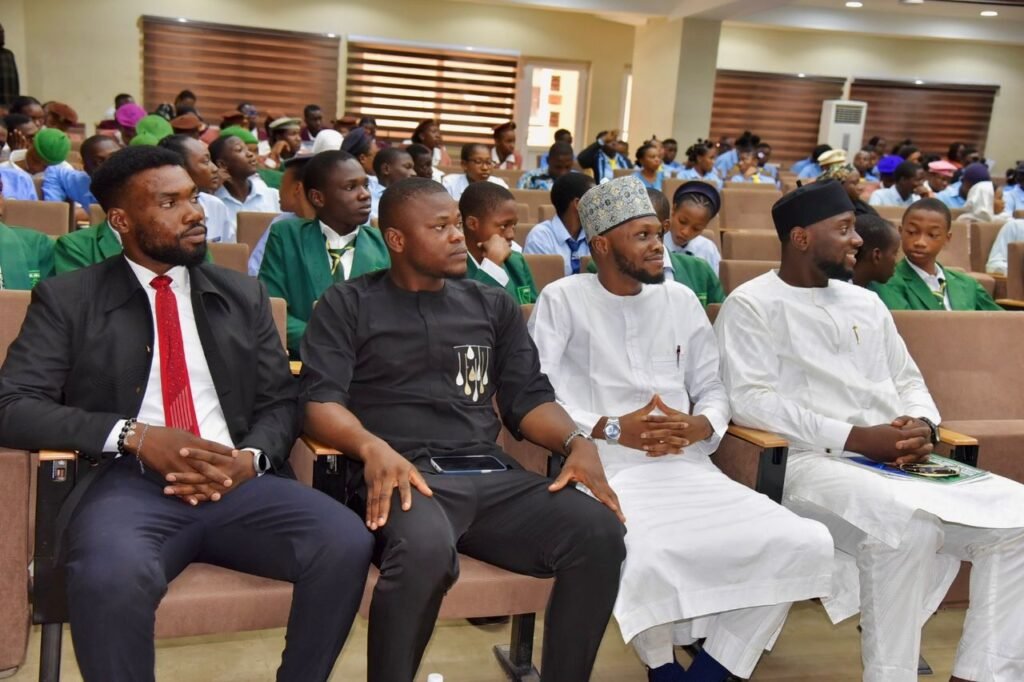
Addressing officials of the Federal Ministry of Education Nigeria, educators, youth leaders and students, Abdullahi highlighted the importance of education as a foundational driver of opportunity, development, and prosperity.
Speaking under the global Commonwealth Day theme “Unlocking Opportunities Together for a Prosperous Commonwealth,” he emphasized that education remains one of the most powerful instruments for societal transformation.
Education is the master key that unlocks opportunity — not just for individuals, but for communities,” Abdullahi stated. “When one person becomes educated, a family benefits. When many people are educated, communities develop. And when societies invest in education, nations prosper.
He noted that education strengthens democratic institutions, drives innovation, reduces poverty, and promotes social justice, making it not only a personal achievement but also a vital investment in the future of societies.
Youth at the Centre of the Commonwealth’s Future
Abdullahi drew attention to the demographic reality of the Commonwealth, which comprises 56 member states with a large youth population. He noted that more than 60 percent of the population across many Commonwealth countries is under the age of 30, placing young people at the centre of the region’s future development.
He stressed that initiatives such as the Commonwealth Youth Programme and the Commonwealth Students’ Association play an important role in empowering young people through leadership development, policy engagement, entrepreneurship, and international collaboration. “These platforms ensure that young people are not only beneficiaries of policies, but active participants in shaping them,” he said
Students as Innovators and Changemakers
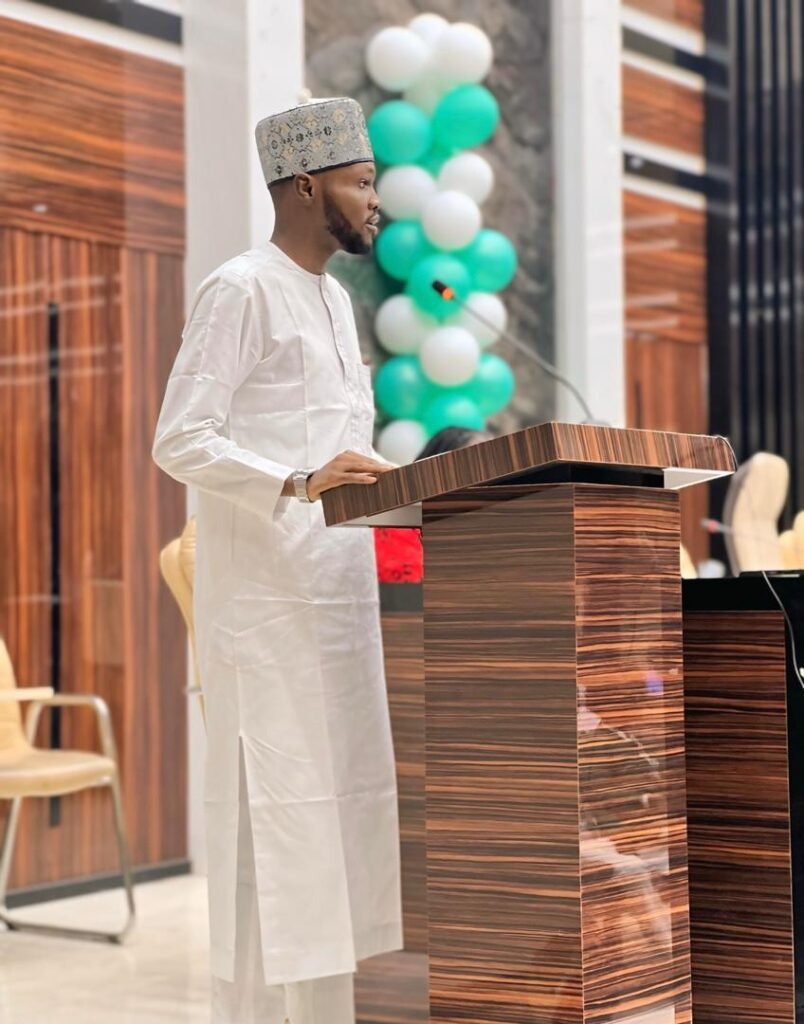
In his remarks, Abdullahi urged students to see themselves as innovators and changemakers capable of addressing societal challenges through knowledge and collaboration.
He encouraged students to use their time in educational institutions to develop ideas, build networks, and create solutions that address real-world problems.
“Schools and universities are not only places for obtaining certificates,” he explained. “They are spaces where ideas are born, networks are built, and solutions to societal challenges are developed.”
He further challenged students to reflect on how their education could contribute to their communities and how collaboration with peers across the Commonwealth could produce meaningful change.
Strengthening Student Collaboration Across the Commonwealth
Highlighting the work of the Commonwealth Students’ Association, Abdullahi noted that the organisation was established to connect, represent, and empower students across the Commonwealth.
Through its programmes and networks, the association enables students to collaborate across borders, amplify their voices in policy conversations, and contribute to educational development and youth leadership initiatives.
As Africa Regional Representative, Abdullahi stated that one of his key priorities is strengthening collaboration among African students while linking them to broader Commonwealth youth platforms.
A Call to Lead and Transform Communities
Concluding his lecture, Abdullahi reminded students that the future of the Commonwealth would ultimately depend on how well its young people are educated and empowered.
The future of the Commonwealth will not be determined by the resources we possess, but by the young minds we educate, he said
Encouraging students to lead boldly and think critically, he urged them to use education as a tool to unlock opportunities not only for themselves but also for their communities and nations.
He added that meaningful transformation often begins at the local level, where small changes can create ripple effects that shape broader societal progress.
“When young people are educated, empowered, and united,” Abdullahi concluded, “there is no limit to what our communities, our nations, and our Commonwealth can achieve.”