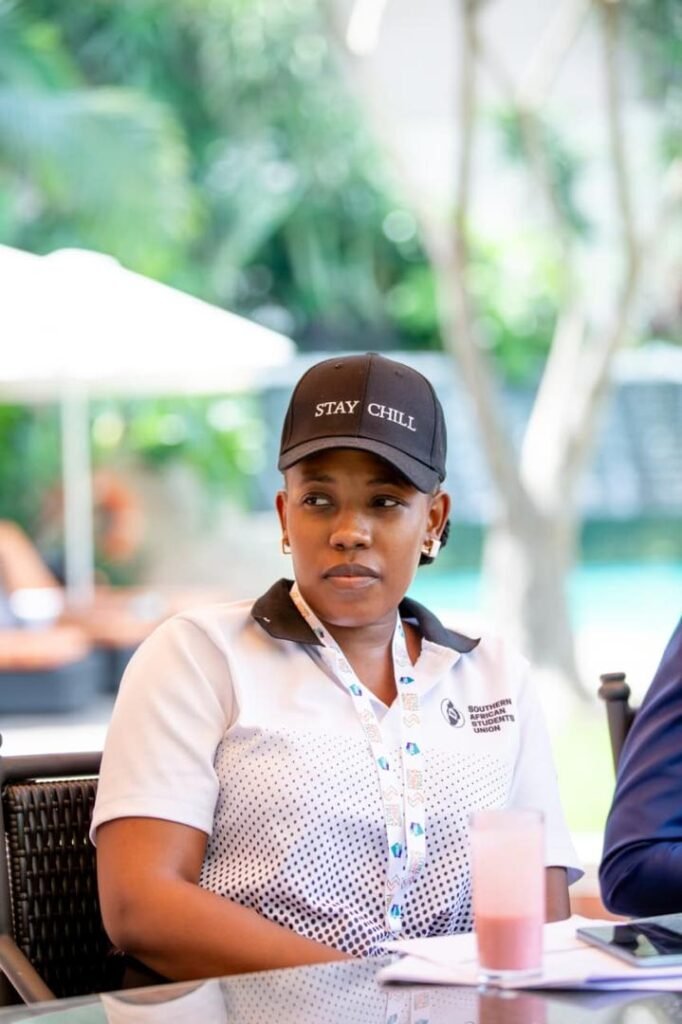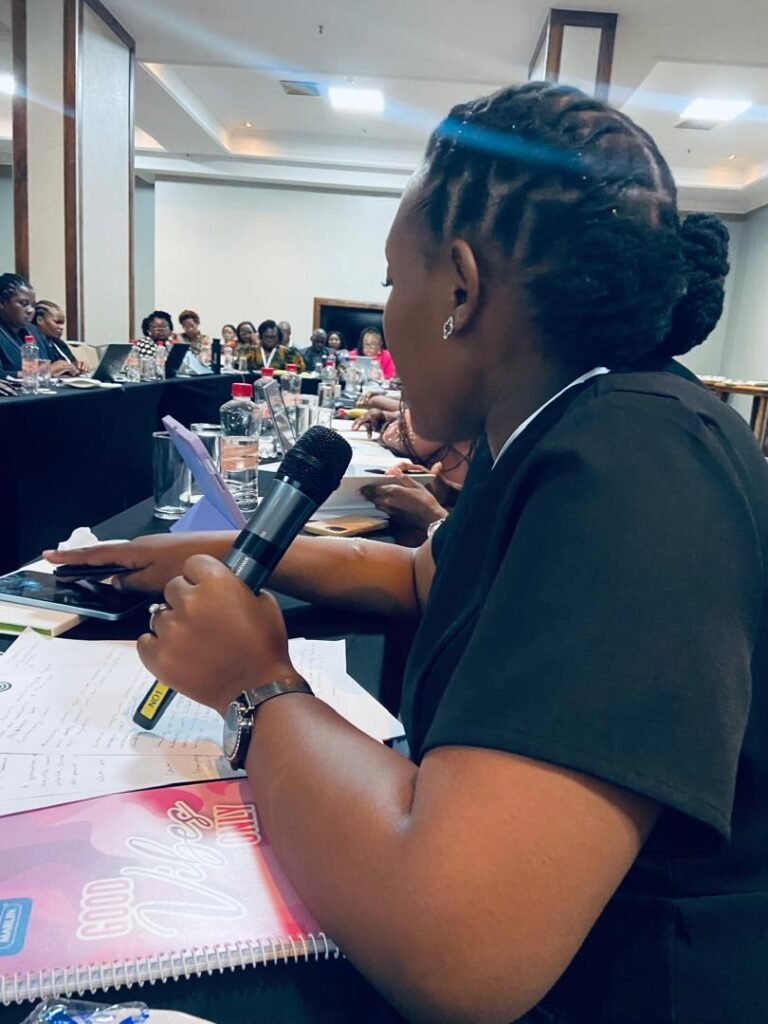
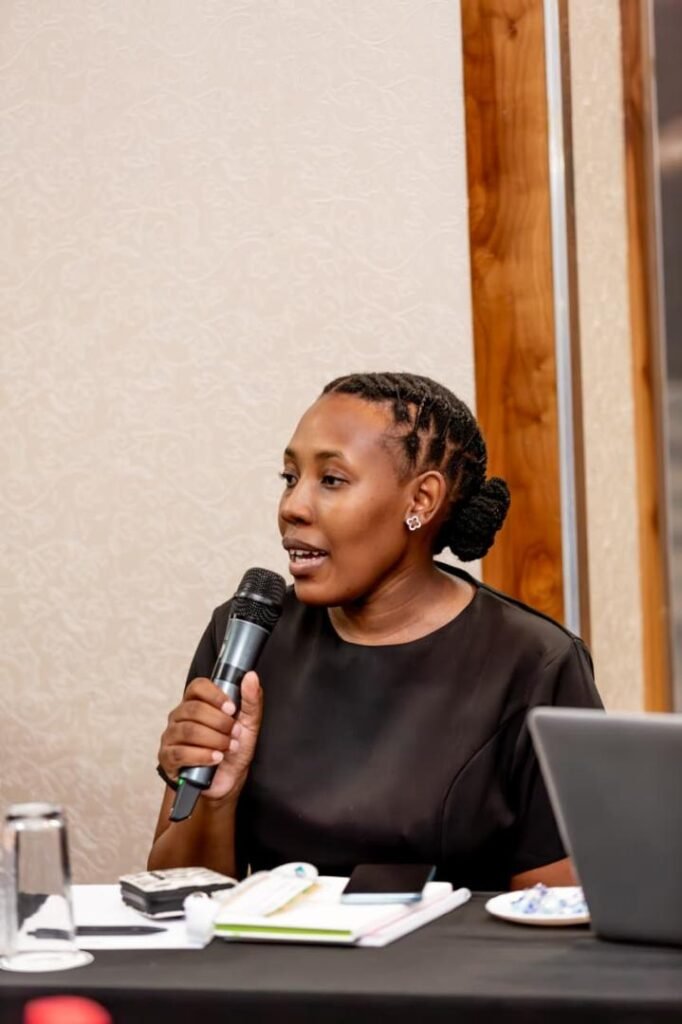
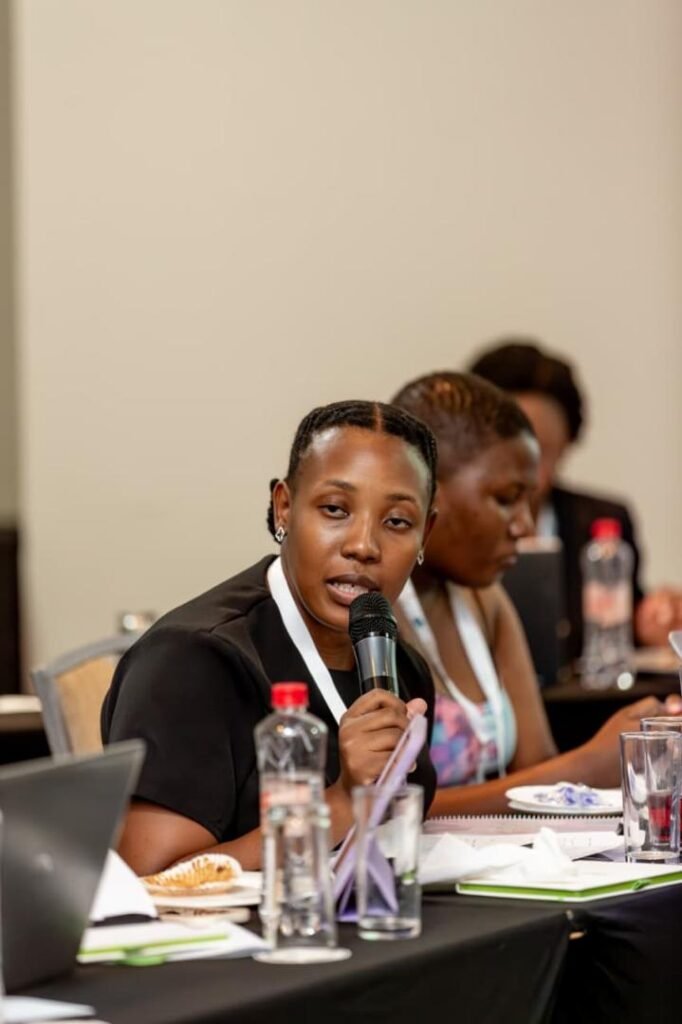
The Commonwealth Students’ Association Country Representative for Lesotho, Tlotliso Suzan Manko, participated in the Southern Africa Gender Justice Platform held recently in Pretoria, South Africa. The convening, organised by the Southern Africa Trust, was held under the theme, “Confronting GBV at the Intersections of Economic and Climate Justice.”
The platform brought together diverse stakeholders from across the Southern African Development Community region, creating a critical space for dialogue on the evolving and interconnected drivers of Gender-Based Violence. Discussions underscored how GBV is deeply rooted in structural inequalities, including economic marginalisation, climate vulnerability, and the persistent exclusion of young people from decision-making processes.
As a student and youth representative, Ms. Manko actively contributed to multi-stakeholder engagements alongside policymakers, feminist leaders, academics, and youth movements. She emphasised the importance of inclusive, intersectional, and youth-driven approaches to advancing gender justice, while advocating for stronger recognition of students and young women as key actors in shaping sustainable solutions.
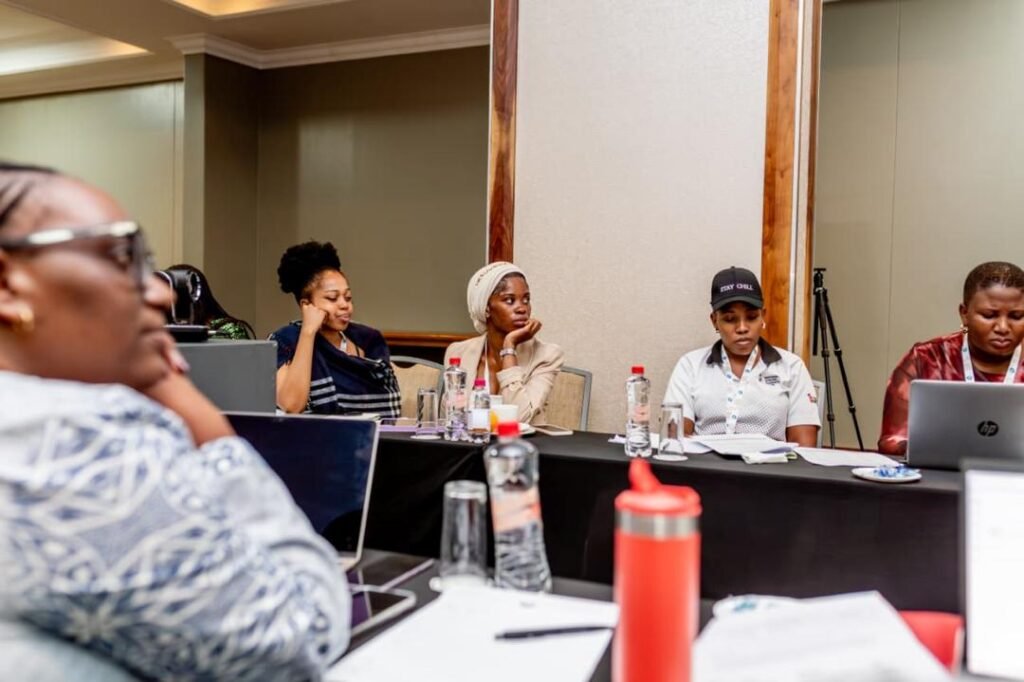
A key highlight of the convening was her participation in interactive idea labs and regional dialogues focused on practical strategies, including economic empowerment initiatives, care economy frameworks, climate-responsive interventions, and youth-led advocacy. These engagements fostered collaborative thinking and reinforced the need for coordinated, cross-sectoral responses to GBV.
Her participation reflects the continued commitment of the Commonwealth Students’ Association to amplifying student voices in critical global and regional conversations, particularly on issues of gender equality, human rights, and sustainable development. It also reaffirms the Association’s role in promoting youth inclusion in policy discourse across the Commonwealth and beyond.
Looking ahead, the insights and partnerships developed through the platform are expected to inform ongoing advocacy and initiatives aimed at strengthening gender-responsive and youth-centred approaches within Lesotho and across the broader African region.